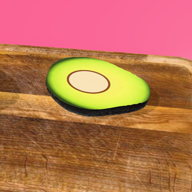
Why do avocados turn brown so fast? You cut one open, eat half, and by the time you come back the other half has a dull brown skin on it. It looks like the fruit has gone off in an hour.
It hasn't. What you are seeing is a chemical reaction on the surface, and once you know what drives it, you know which kitchen tricks are worth your time. We make 1000 Cuts, a fruit slicer game where an avocado is one of the fruits you chop, so we have looked at the inside of a lot of avocados.
What makes an avocado turn brown
An avocado turns brown because of a reaction called enzymatic browning. It needs three things at once: an enzyme, something for the enzyme to work on, and oxygen.
The enzyme is polyphenol oxidase, usually shortened to PPO. The things it works on are phenols, natural compounds found in the flesh. When oxygen is around, PPO turns phenols into reactive molecules called quinones. The quinones then link up with each other, with no more help from the enzyme, and form brown pigments called melanins.
Why it only happens after you cut
A whole avocado does not brown inside because the ingredients are kept apart. Inside each cell, the phenols sit in one compartment and the enzyme sits outside it. There is also very little oxygen in there.
A knife changes that. It breaks open the cells along the cut, the phenols and the enzyme mix, and the cut face is suddenly open to the air. All three ingredients are now in the same place.
That is also why a bruise turns brown. Dropping or squeezing an avocado crushes cells under the skin, and the same reaction starts there without any knife at all.
It also explains why guacamole is the worst case. Mashing breaks far more cells than one clean cut does, and stirring folds air right through the bowl.
Is brown avocado safe to eat?
The browning itself is a colour change, not a sign that germs have grown. It is the same kind of reaction that browns a sliced apple. Many people simply scrape off the thin brown layer and eat the green underneath.
It is not a free pass, though. Research on enzymatic browning notes that it can change flavour and texture as well as colour, so a brown surface may not taste as good. And an avocado can be brown for other reasons, such as being old or badly bruised.
Use your senses for the real check. A sour or strange smell, a slimy feel, mould, or dark, stringy flesh all the way through are reasons to throw it out.
How to keep an avocado from turning brown
The three things that slow browning are acid, less air and cold. Each one takes away part of what the reaction needs.
| Method | Why it helps | Worth doing? |
|---|---|---|
| Lemon or lime juice | The enzyme works much more slowly in acid | Yes |
| Wrap pressed onto the flesh | Keeps oxygen off the surface | Yes |
| Fridge | Enzymes slow down when cold | Yes |
| A thin coat of oil | Another barrier against air | Yes |
| Leaving the pit in | Only covers the flesh under it | Barely |
| Storing it in water | Blocks air, but see below | No |
The best plan is to stack them:
- Brush the cut face with lemon or lime juice.
- Press cling film right onto the flesh so there are no air pockets, or use a small airtight box.
- Put it in the fridge.
Lemon juice does two jobs. Its acid slows the enzyme, and its vitamin C (ascorbic acid) turns quinones back into phenols before they can form pigment. That second effect is temporary, because the vitamin C gets used up. This is why juice buys you time and not a week.
How much time? Cleveland Clinic's advice is that a cut avocado stored this way keeps for about a day. Expect a little browning anyway, and scrape it off.
Does leaving the pit in stop browning?
Only for the flesh directly under the pit. The pit has no special chemistry. It works like a lid: where it sits, air can't reach the flesh, so that circle stays green. Everything around it browns as usual.
The same goes for dropping a pit into a bowl of guacamole. It protects the small patch it touches and nothing else. If you are saving half an avocado, keep the half with the pit, because it has less bare surface. Then wrap it anyway.
Why storing avocados in water is a bad idea
Putting avocados in a jar of water does block oxygen, but it is the one trick to skip. The hack went viral a few years ago, and the US Food and Drug Administration advised against it.
The reason is on the skin. When the FDA sampled whole avocados between 2014 and 2016, it found Listeria monocytogenes on about 18% of the skins it tested. Inside the fruit, it turned up in well under 1% of samples. A jar of water gives anything on the skin days to multiply and a way to reach the part you eat.
The same finding is behind a simple habit: wash an avocado under running water before you cut it, and dry it. The knife passes through the skin first, so a clean skin means a cleaner cut. If a slippery avocado worries you, our guide to cutting an avocado safely covers the grip and the pit.
The avocado that never browns
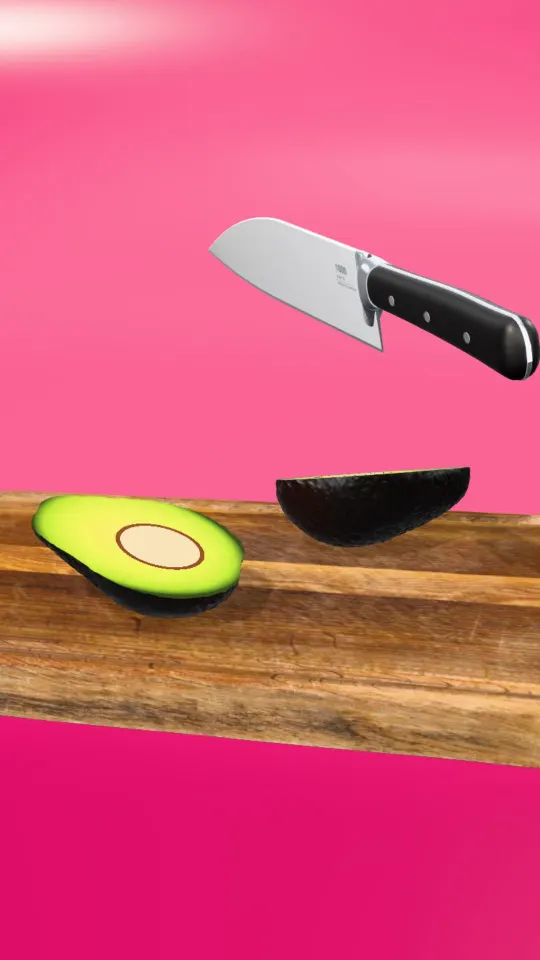
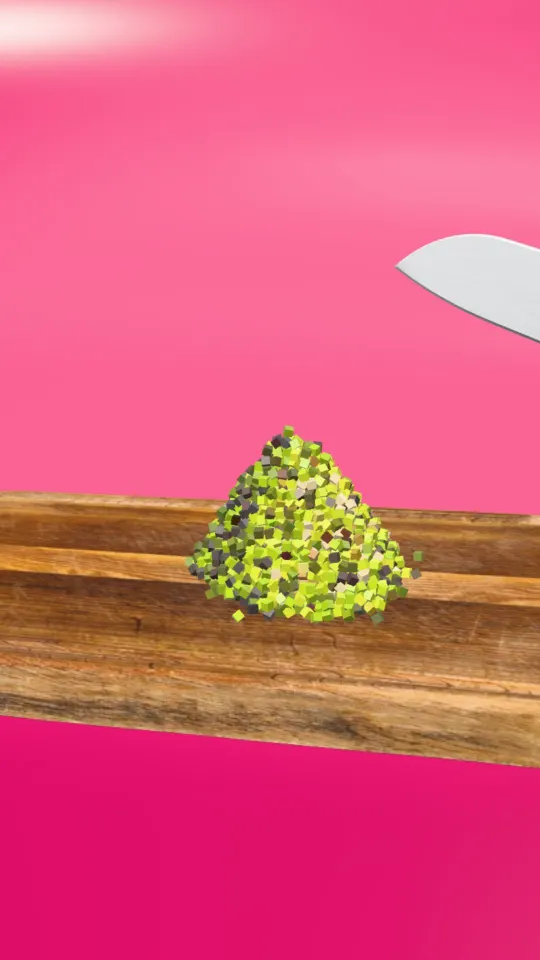
There is one avocado that stays green however long you leave it: the one in our game. 1000 Cuts is a satisfying game for Android where you chop real 3D scanned fruit, and the avocado is one of seven. You tap to chop exactly where you touch, and after 40 chops the ⚡ meter fills and one tap gives the fruit 1,000 cuts.
A real avocado cut that many times would be the browning reaction's dream: almost every cell broken and all of it open to the air. If you want the numbers, we worked out how many pieces you can cut an avocado into. And for another kitchen reaction that starts the moment the knife goes in, see why onions sting in how to dice an onion. The home page shows the game in motion.
Frequently asked questions
Why do avocados turn brown so fast?
Because the reaction starts the moment the flesh meets air. Cutting mixes the enzyme with the phenols it works on, and oxygen does the rest. The more cells you break, the faster it shows, which is why mashed avocado browns quicker than a clean half.
Can you eat an avocado that has turned brown?
A thin brown layer from air is a colour change, not rot, and many people scrape it off. Throw the avocado out if it smells sour, feels slimy, has mould, or is dark and stringy all the way through.
Does lemon juice stop avocado from browning?
It slows it but does not stop it. The acid makes the enzyme work more slowly, and the vitamin C undoes the first step of the reaction for a while. Add wrap and a fridge for the best result.
Does the pit keep an avocado from turning brown?
Only the flesh under it. The pit just blocks air from the patch it covers, so the rest of the surface browns at the normal speed.
How long does a cut avocado last in the fridge?
About a day, according to Cleveland Clinic, if you brush it with lemon or lime juice or oil and wrap it tightly. It may still brown a little on the surface.
Sources
- Brunning, A. (2014). Why do avocados turn brown? Compound Interest. compoundchem.com
- Yepes-Betancur, D. P. et al. (2025). Fermented avocado seed extract and polyphenol oxidase. Heliyon 11(4). PMC11874750
- US FDA. Sampling of whole fresh avocados, 2014 to 2016. fda.gov
- Cleveland Clinic (2023). How to store avocados safely. clevelandclinic.org
Updated · By the 1000 Cuts team at DIGCY SARL AU